

 RSS
RSSSkincare Ingredients to Avoid During Pregnancy
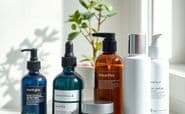
A guide to the skincare ingredients most commonly advised against during pregnancy, and gentler alternatives worth switching to.
Pregnancy is a time when a lot of people quietly re-read the ingredients list on products they have used for years without a second thought. A few common skincare ingredients are worth being aware of, though this is general information, not medical advice – always check with your midwife or GP if you are unsure about a specific product.
Retinoids and high-dose vitamin A
Retinol, tretinoin and other vitamin A derivatives are widely used in anti-ageing and acne products, but are generally advised against in pregnancy, as high doses of vitamin A have been linked to birth defects in some studies. Most midwives recommend switching to a vitamin-A-free alternative for the duration of pregnancy.
Salicylic acid, in high concentrations
Salicylic acid is a common acne-fighting ingredient, closely related to aspirin. Low concentrations in a leave-on facial product used occasionally are generally considered low risk, but high-strength treatments, such as in-clinic chemical peels, are usually advised against. If in doubt, choosing a product with a lower percentage or switching to an alternative exfoliant is the more cautious route.
Certain essential oils
Some essential oils, including certain concentrated forms used in aromatherapy, are generally advised against during pregnancy, particularly in the first trimester. This is more relevant to massage oils and diffusers than to a small amount in a finished skincare product, but it is worth checking with a qualified aromatherapist before booking a treatment.
What is generally considered safe
Ingredients such as hyaluronic acid, vitamin C, glycolic acid in normal skincare concentrations, and mineral sunscreens are generally considered fine to continue using. Pregnancy is also a good prompt to simplify a routine generally – a gentle cleanser, a good moisturiser and daily SPF cover most of what skin needs, without having to second-guess a long list of active ingredients.