

 RSS
RSSEssential Oils 101: Getting Started Safely at Home
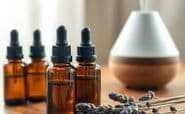
A beginner's guide to using essential oils safely at home, from dilution basics to which oils to start with.
Essential oils have become a familiar fixture on bathroom shelves, but their popularity sometimes outpaces basic safety knowledge – they are concentrated plant extracts, not gentle novelties, and are worth using with a bit of care.
Start with dilution
Essential oils should almost never be applied directly to skin undiluted, as this can cause irritation or sensitisation. The standard approach is to mix a few drops into a carrier oil, such as sweet almond or jojoba oil, before applying to skin – a common starting ratio is around one to two drops of essential oil per teaspoon of carrier oil for adults.
A few reliable oils to begin with
Lavender is a sensible first oil for most people: gentle, widely tolerated, and commonly used for relaxation and sleep. Peppermint is useful and invigorating, often used sparingly for a quick pick-me-up, though it should be kept well away from the eyes. Tea tree has genuine antiseptic properties and is popular for spot treatments, always diluted. Starting with two or three oils you actually use, rather than a large collection that sits untouched, is the more practical approach.
Using them safely
A patch test on a small area of skin, left for twenty-four hours, is worth doing before using any new oil more widely. Diffusers should be used in a well-ventilated room rather than run continuously all day, and citrus oils in particular can increase skin's sensitivity to sunlight, so are best avoided on skin before time outdoors. Certain oils are generally advised against during pregnancy or around young children and pets – it is worth checking each oil individually rather than assuming they are all equally safe in every situation.