

 RSS
RSS5 Types of Massage Explained: Which One Do You Actually Need?
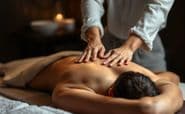
A guide to five common massage styles and which is the best fit depending on whether you want relaxation, deep tension relief, or muscle recovery.
“Massage” covers a surprisingly wide range of treatments, and booking the wrong one for what you actually need is a common way to leave a session disappointed. Here are five of the most commonly offered styles.
Swedish massage
The most familiar style, using long, flowing strokes, kneading and light-to-medium pressure. It is aimed squarely at general relaxation and improving circulation rather than working out deep muscle knots, which makes it a good choice if you simply want to unwind rather than treat a specific problem.
Deep tissue massage
Uses slower, firmer strokes that work into the deeper layers of muscle and connective tissue. It is the better option for chronic tension, tightness from repetitive movement or posture, or muscle pain that a lighter massage does not seem to touch. It can feel intense, and some soreness the following day is normal.
Sports massage
Designed around the needs of an active body rather than general relaxation – often used before or after exercise, or to treat a specific niggle from training. It combines deep tissue techniques with stretching, and is a sensible choice if you are training regularly or recovering from a minor muscle strain.
Hot stone massage
Smooth, heated stones are placed on the body and used as an extension of the therapist's hands. The heat helps muscles relax more quickly than they might otherwise, making this a good option if you carry a lot of tension but find firmer pressure uncomfortable.
Aromatherapy massage
A gentler, Swedish-style massage using essential oils chosen for their scent and reputed properties – lavender for relaxation, for example, or peppermint to feel more alert. It is more about the overall sensory experience than deep muscular work, and pairs well with a stressful week rather than a specific physical complaint.